

How often have you walked into a home – your own or as a guest – and instantly felt like the place feels nice and settled? It’s almost as if everything there finally landed in its perfect destination.
It very well could have been a modern farmhouse. But that sense of peace and belonging doesn’t happen by accident.
The farmhouse style slows down everyday living’s rapid pace. With features like striking dark metal, cheerful porcelain chickens, or sensible wooden crates, rooms seem calm, less busy. The home’s weathered surfaces appear warm and inviting.
Farmhouse decor focuses on livability and function through deliberate choices rather than decorative excess. It gives a sense of ease that’s noticeable the second you walk through the door.

Indeed, farmhouse decor mixes practicality with ample charm. Thanks to its soft and flexible color palettes, all the materials stay honest and authentic. Textiles do their own part by adding softness without visual noise. When seasonal updates slip into the area, they offer an organic update rather than a full reset.
Before you dive head first into the farmhouse aesthetic, bear in mind a few guiding tenets that inform the rest of your home sweet home. These qualities show up again and again in well-designed farmhouse spaces.
Key Takeaways
- Farmhouse decor balances a cozy, snug feeling with function.
- Neutral hues generate both calm and flexibility in other design choices.
- Natural materials add depth to the scheme.
- Fabrics soften rooms without overwhelming them.
- Seasonal decorative layers work best when they stay subtle.
Farmhouse Style Roots
So, where did the farmhouse design come from?
The now-famous farmhouse flair emerged from real life and hard work. After all, early farm homes had to stand up to muddy boots, busy kitchens, and long days brimming with activity. That meant their furniture had to be built to last.
Back in those days, people chose materials for their strength and availability, not their polish or pizzazz. The beauty shone through in worn edges and sturdy joints. Flawed surfaces told their own stories of memorable mistakes or childhood mishaps. Over time, those same practical decisions shaped a look that still resonates today.
The modern farmhouse design pulls from these early origins while still suiting today’s homes. Clean lines replace intricacy and ornament, and more open layouts substitute for small, closed-off rooms. But the heart of the style stays the same: a welcoming home that’s both useful and easy to live in.
Core Farmhouse Design Principles
Farmhouse decor doesn’t rely on a set rulebook, but on a few steady principles. These ideas help rooms look intentional, not themed. Each one supports the next. When combined, they harmonize in a way that doesn’t feel designed – only natural.
First Comes Function
Farmhouse designs prioritize the hustle and bustle of everyday living. This type of furniture entices you to sit down and stay awhile. But the decor should also earn its spot in the home, even if its only job is to make everything feel warmer.
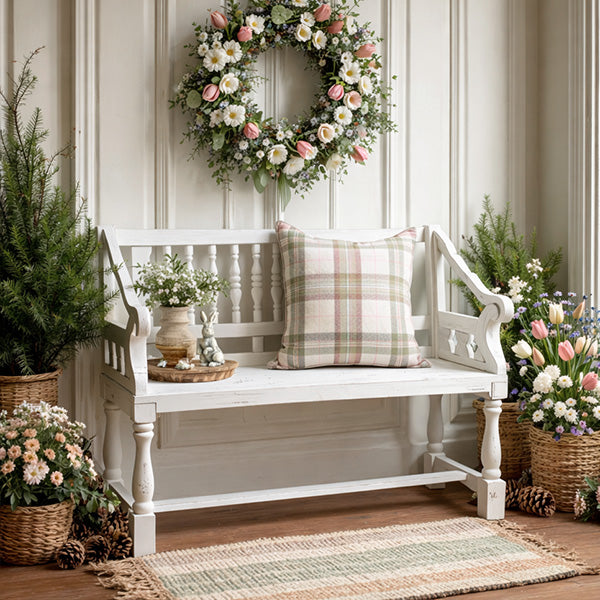
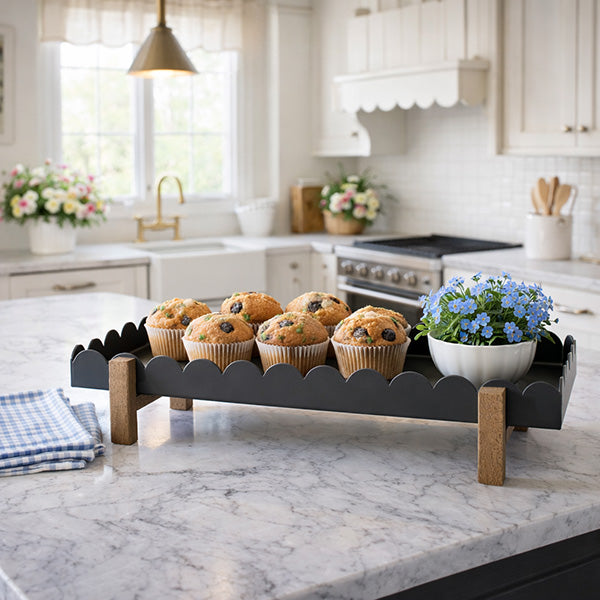
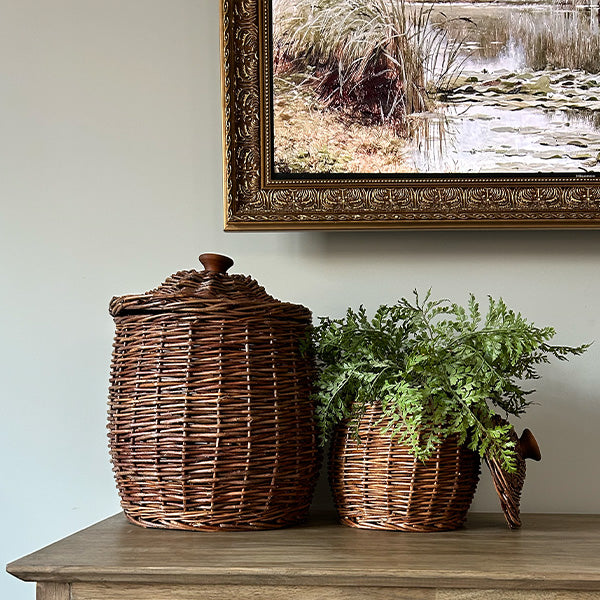
Comfort Over Perfection
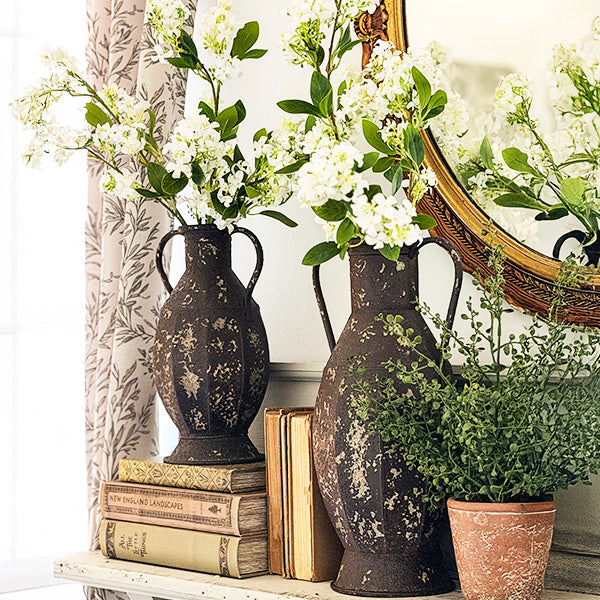
Farmhouse style embraces personality. Wood shows grain and knots, while metals dull and soften over time. All the finishes look broken in, never brand new.
In a farmhouse, perfection can come off as stiff. But the right decor steers it in the opposite direction. With just a little wear and tear, a room feels more human, as if life actually happens there.
Scuffed faces and uneven finishes tell a quieter story. They hint at slowly unfolding moments. A sense of history adds coziness in a way that polished surfaces rarely achieve.
Simplicity and Character
A farmhouse aesthetic avoids excess. Since there are fewer pieces to attract attention, the textiles can do more of the talking. Plus, open spaces give eyes a place to rest.
Every item in a farmhouse home should look as if it were chosen. You don’t want a collection that looks like it came complete from a catalog. With restraint, a room won’t tip into a cluttered mess.
The farmhouse character derives from contrast more than quantity. One well-placed accent can say a lot more than a shelf full of curated decor. It’s this moderation that keeps farmhouses looking more thoughtful than crowded.
Calm and Timeless Farmhouse Colors
No matter what decorative scheme you choose, color always sets the mood. Farmhouse palettes stay steady and muted with shades that work on a bright day or in low evening light.
Some of the most common farmhouse color families include:
- Warm whites and creamy off-whites.
- Soft grays that showcase gentle undertones.
- Earthy neutrals like clay and taupe.
- Understated accents such as sage and dusty blue.
Your farmhouse look won’t fall flat when you add some contrast. Black metals, dark wood, and even charcoal embellishments establish the entire area with just enough edge to stand out.
Materials That Make a Farmhouse Feel Authentic
Fabrics and other textiles can completely carry your overall farmhouse look. Organic finishes bring a familiarity you can almost feel – the sort that makes a space feel oh-so-inviting even before you sit down.
Wood remains a favorite farmhouse staple. Its visible grain and variable textures add character… kind of like the rings on a tree. A single statement piece – think a rustic wood dough bowl – can anchor a table or shelf without crowding the space. Metal details are perfect for balancing the softness, especially in aged or matte finishes.
Want to ground a room and keep it from feeling too light or airy? Try some stone or ceramic pieces to add some subtle weight. When you mix materials, you keep the room from feeling flat. Contrast likewise maintains a layered and inviting atmosphere.
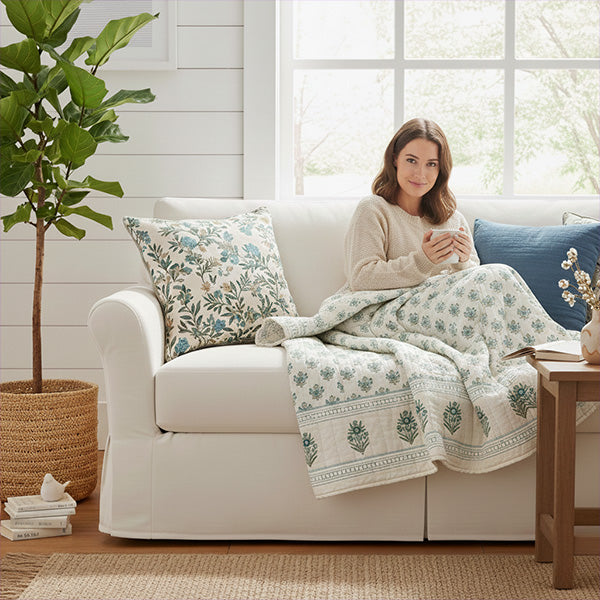
Textiles for Warmth Without Clutter
Fabrics soften farmhouses. There’s not two ways about it. They simply make rooms feel welcoming to all. Textiles, therefore, should be natural and breathable, not stiff or heavy.
Architectural Details That Support the Farmhouse Look
When is farmhouse decor at its best? When it complements the home itself. Architectural features help reinforce that style.
Certain features are frequently linked to farmhouse homes:
- Shiplap or simple wall paneling.
- Exposed or faux beams.
- Open shelving in kitchen or dining areas.
Without these elements, homes can still echo the farmhouse ambiance with thoughtfully chosen interior decorations. Wall decor, for example, can introduce structure without pulling a single nail from the wall.
Naturally Blend Seasonal Farmhouse Decor
One of the greatest aspects of farmhouse style is it easily shifts with the seasons. Small changes can totally refresh a room while keeping it familiar – like pulling on your favorite sweater instead of buying a whole new wardrobe.
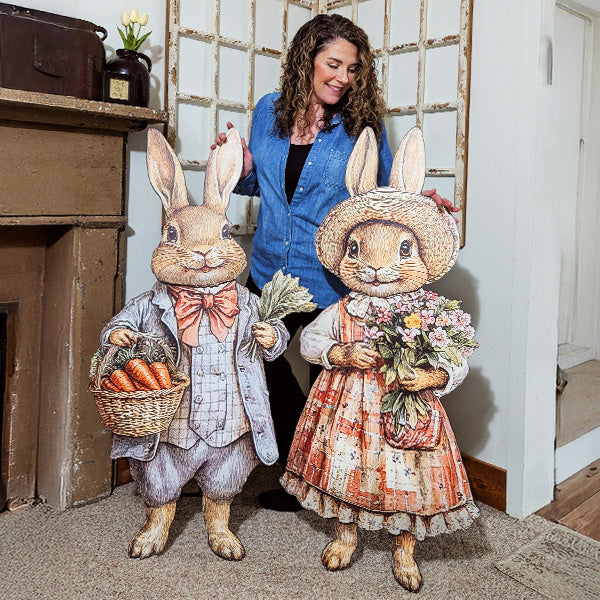
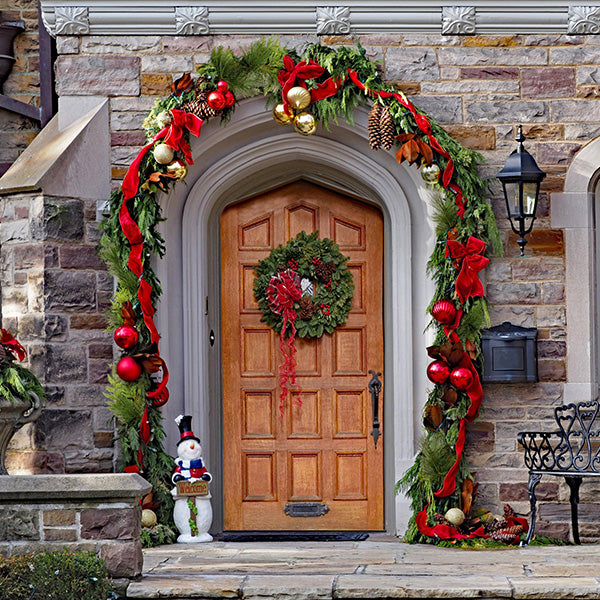
Seasonal collections like Easter decor, Halloween designs, and Christmas decorations all make it easy to add festive touches without overpowering your home.

Use Nature as a Seasonal Guide
Seasonal decor works best when it follows rhythmic outdoor patterns. Add fresh greenery for springtime decor, then integrate warmer tones and dried stems in the fall. Evergreens and soft light set the perfect winter stage. You’ll find your farmhouse style feels most real when you let nature set the pace.
Swap Accents Instead of Replacing Designs
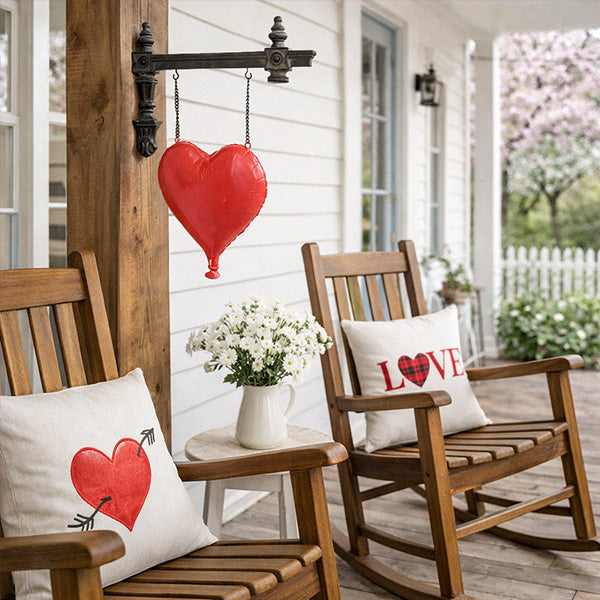
For best results, just layer seasonal updates over what you already have in your farmhouse. Make simple alterations like swapping pillow covers or changing a centerpiece. You might even update the room with a wreath by the door.
You’ll find even small shifts in your farmhouse decor can transform the entire mood of the room without turning the house upside down.
Farmhouse Decorating for the Holidays
Holiday decor like Valentine’s Day designs fit naturally into farmhouse style when it stays understated. You’d hate to disrupt your overall scheme with decorations that are too loud, bold, or even gaudy.
Easter decorations favor lighter shades and gentle florals. Halloween focuses more on muted pumpkins and rustic details. Meanwhile, Christmas dazzles with beautiful greenery, cozy yet festive fabrics, and classic gold and silver finishes that never feel overdone.
The best part? You never have to start from scratch. Every season builds upon the last one.
Naturally Blend Seasonal Farmhouse Decor
One of the greatest aspects of farmhouse style is it easily shifts with the seasons. Small changes can totally refresh a room while keeping it familiar – like pulling on your favorite sweater instead of buying a whole new wardrobe.
Seasonal collections like Easter decor, Halloween designs, and Christmas decorations all make it easy to add festive touches without overpowering your home.
Use Nature as a Seasonal Guide
Seasonal decor works best when it follows rhythmic outdoor patterns. Add fresh greenery for springtime decor, then integrate warmer tones and dried stems in the fall. Evergreens and soft light set the perfect winter stage. You’ll find your farmhouse style feels most real when you let nature set the pace.
Swap Accents Instead of Replacing Designs
For best results, just layer seasonal updates over what you already have in your farmhouse. Make simple alterations like swapping pillow covers or changing a centerpiece. You might even update the room with a wreath by the door.
You’ll find even small shifts in your farmhouse decor can transform the entire mood of the room without turning the house upside down.
Farmhouse Decorating for the Holidays
Holiday decor like Valentine’s Day designs fit naturally into farmhouse style when it stays understated. You’d hate to disrupt your overall scheme with decorations that are too loud, bold, or even gaudy.
Easter decorations favor lighter shades and gentle florals. Halloween focuses more on muted pumpkins and rustic details. Meanwhile, Christmas dazzles with beautiful greenery, cozy yet festive fabrics, and classic gold and silver finishes that never feel overdone.
The best part? You never have to start from scratch. Every season builds upon the last one.
Farmhouse Decor Brings It All Together
Ultimately, your farmhouse decor thrives on intention. It values peace and celebrates texture. A true farmhouse aesthetic welcomes change without chasing the latest style trends or losing its soul.
You won’t throw together a farmhouse atmosphere all at once, either. It takes time to create a farmhouse-inspired home. Don’t try to hit up a single store and buy a curated collection. Your style will come together slowly, unfolding like a good story. Each layer will add that much more meaning to your coziest environment. A thoughtful mix of farmhouse decor promises to tie everything together.
A real farmhouse home should feel like someplace to land at the end of a long day: calm, comfortable, and ready for real life.

